
Arthritis on an X-Ray Doesn’t Always Explain Your Pain

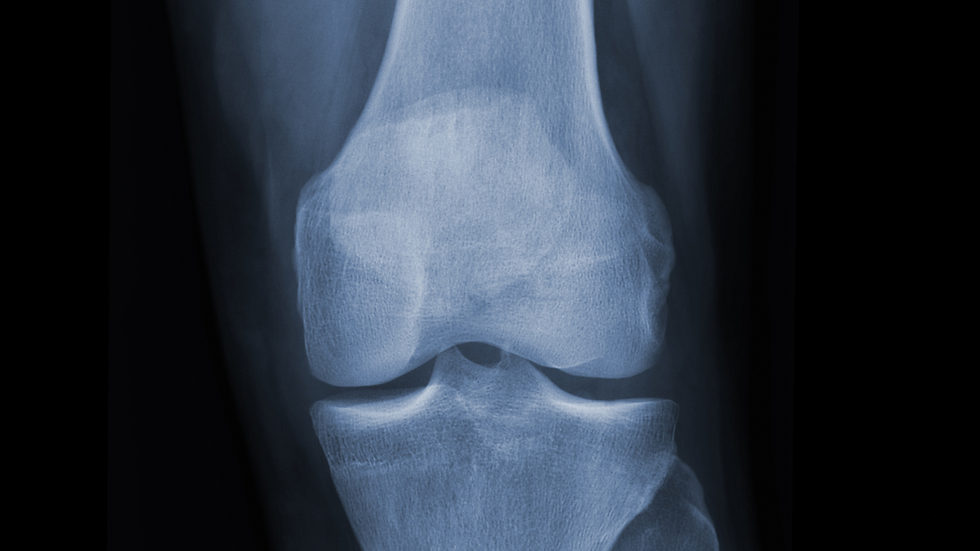
Arthritis on an X-ray doesn’t always explain your pain, because structural changes and symptoms do not necessarily match as closely as many people assume. Two people can have similar imaging findings yet experience very different levels of discomfort and limitation.
An X-ray can reveal changes such as reduced joint spacing, bone spurs, or other signs associated with osteoarthritis. This information can be helpful, but an image cannot show exactly how much pain you feel, how well you move, how strong the surrounding muscles are, or how the condition affects your daily life.
Some people have significant arthritic changes and relatively few symptoms. Others have modest findings but struggle with pain, stiffness, or reduced function. This is not because their pain is exaggerated. Pain is shaped by several factors, including joint irritation, muscle tension, mobility, previous injuries, activity levels, sleep quality, stress, and the sensitivity of the nervous system.
Movement patterns matter too. If an arthritic knee is uncomfortable, you may begin favouring the other leg. If your neck is stiff, you may compensate through your shoulders and upper back. Over time, these adaptations can contribute to discomfort beyond the original joint. The X-ray shows structure; it does not show the full story of how your body is functioning.
This is why treatment should be based on the person, not simply the picture. A Chiropractic assessment may consider where symptoms occur, which movements aggravate or relieve them, joint mobility, muscle function, posture, balance, and the activities that matter most to you. Your diagnosis, health history, medications, and any inflammatory condition must also be considered.
Chiropractic does not remove arthritis or restore a joint to its original condition. It may, however, help address stiffness, muscle tension, restricted movement, and compensation patterns that contribute to some people’s symptoms. Recommendations may also include appropriate exercise, pacing strategies, ergonomic changes, and collaboration with a physician or other healthcare professional.
Imaging remains important when it is medically indicated, particularly after trauma or when symptoms suggest a more serious condition. But it should be interpreted alongside a physical examination and the person’s actual experience.
An arthritis diagnosis can sound discouraging, especially when words such as “degeneration” appear in a report. Those findings do not automatically determine your future. With appropriate movement, strength, daily habits, and professional guidance, many people continue to lead active lives. The goal is not to ignore the X-ray—it is to understand it in context and build a plan around the person living with it.


Comments